Tasting
Coffee, wine, long-aged cheese and cured meats: the pleasure of taste, and the science behind what you're tasting, from fat-soluble aromas to umami.
- Ongoing
The common thread between coffee, wine, aged cheeses and cured meats is the pleasure of the palate, as an informed amateur: enough to know what is being tasted, not enough to claim anything more. But the main interest goes beyond pleasure: it is the science behind it, why an aged product develops that complexity, and how the nose and the mouth perceive it.
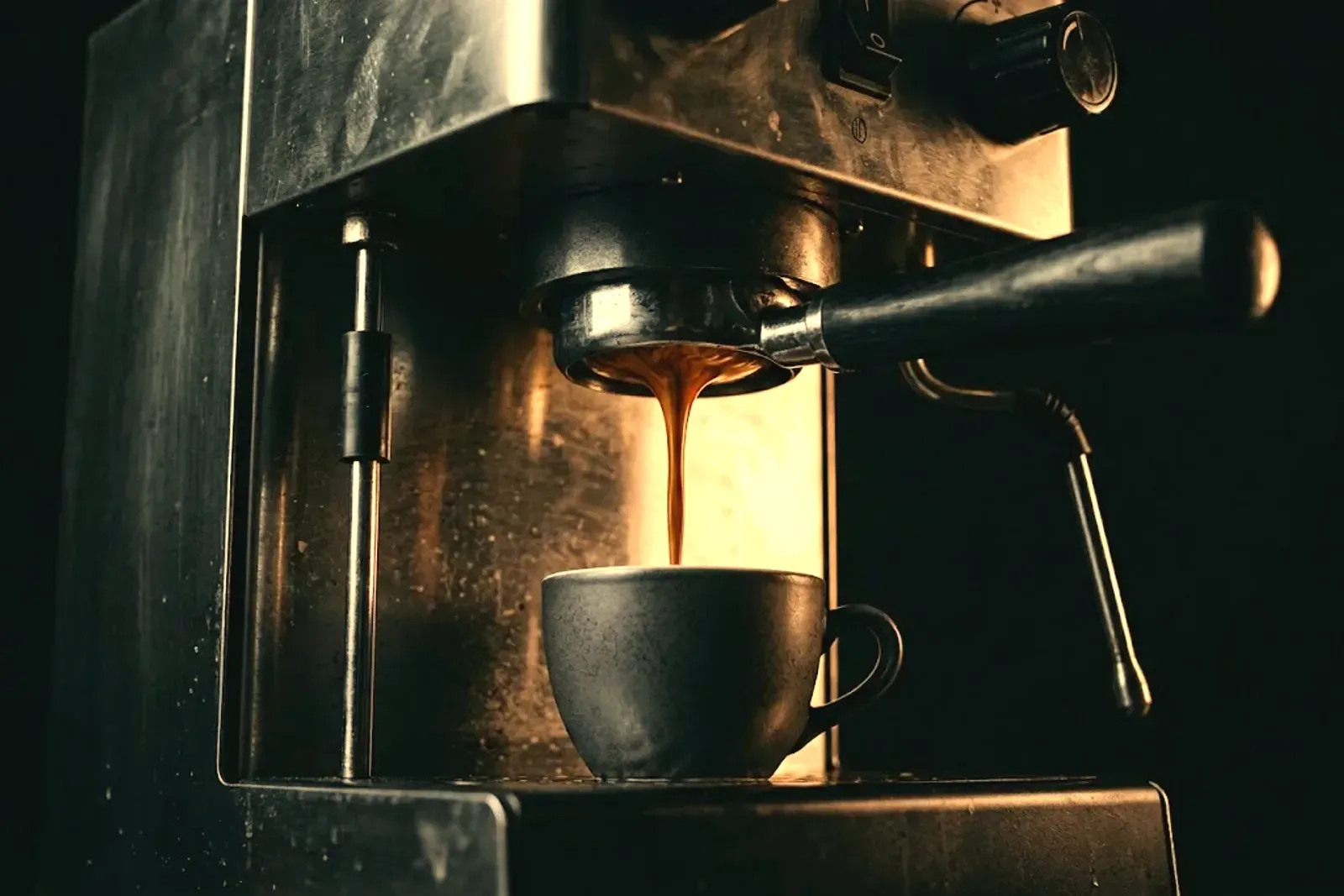
Coffee is the most advanced of the four, and espresso in particular. The interest starts in 2024, with many videos on extraction and the science that explains it; in 2025 comes a manual espresso machine, used every day since. It is an extraction problem, so a set of variables that can be isolated: grind, dose, extraction ratio, tamping, temperature, time, and upstream the roast, which decides half the result before the machine is of any use. A failed cup almost always has an identifiable cause, which makes the exercise interesting rather than mysterious.
Wine follows the same path, through sommelier competitions and grape varieties. It is still being discovered. The main grape varieties and their characters are known, and blind tasting yields roughly some leads: a probable variety, an order of magnitude for age. “Roughly” is the exact word.
Well-aged cheeses and cured meats go with the other two: comté, parmesan at thirty months and beyond, long-dried hams and sausages. There, time does the work, and tasting mostly consists in reading what it has done. The analogy with wine is direct: ageing adds complexity and depth, trading light, fresh notes for heavier, woodier, earthier ones, with more density and length. What makes these products complex owes a lot to fat: many aromas are fat-soluble, so carried and released by fat rather than water, which partly explains why a lean product rarely has the same length on the palate as an aged one.
Spices are of interest for a related reason: each brings its own family of aromatic compounds, and their combination changes everything, not just their individual presence. It is an axis discovered mostly by cooking, less by reading.
The most useful vocabulary, in the end, describes balance rather than an isolated taste: between sweet, sour, bitter, salty, and umami, the fifth taste, long ignored in the West, very present precisely in an aged cheese, a dry-cured meat or a ripe tomato. A product that lingers on the palate, with no single axis crushing the others, is recognised by that more than by a name on a label.